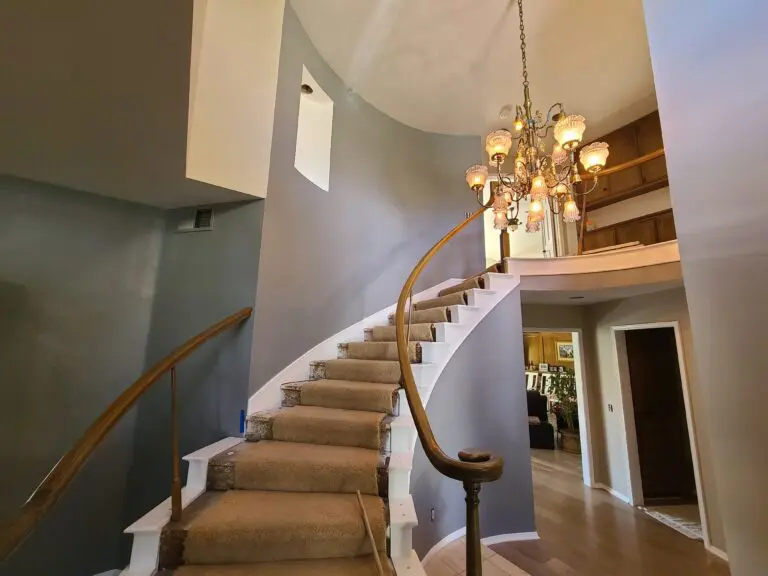
DIY painting versus hiring professionals is a decision every Orange County homeowner faces, and the differences go way beyond a single price comparison. A DIY approach puts a brush in hand, paint cans on the floor, and a YouTube video on the screen: the upfront price of labor saved, the real cost of repaint corrections carried long after. Professional painting brings licensed expertise, premium paint, and a finished result built to last.
Key tips for DIY painting include cleaning walls, using quality painter’s tape, applying two coats, and using canvas drop cloths instead of plastic. Cleaning and repairing surfaces by removing dust and filling holes is essential before painting.
“Surveys indicate that nearly 63% of DIYers regret not calling an expert for at least one home improvement project, with 40% of homeowners specifically regretting their DIY painting attempts due to poor finish quality and the extreme time commitment.”
At a Glance
DIY painting and professional painting sit at opposite ends of the time, skill, and outcome spectrum across every room, wall, and job type. The price gap between the two is real, and so is the gap in results. Here’s how the two compare:
- DIY painting costs $200 to $500 upfront on paint cans, primer, tape, roller, and brush supplies for a single standard room: way below professional rates.
- Professional painting produces a consistent coat across walls and ceilings, using industry-grade techniques, proper surface prep, and premium paint cans on every job.
- A DIY room paint job takes beginners 8 to 16 hours, a timeline professional crews complete in 3 to 6 hours on the same site.
- Professional painters have licensing, code compliance, and trade experience; no YouTube videos or store tutorials can replicate on a real job site.
- Color consistency, clean tape lines, sealed cracks, and smooth roller application are more uniform in professional paint jobs than DIY finishes.
- Using a good quality brush can prevent streaks and lint from ruining the surface. It’s recommended to test paint samples in the room to see how they look in different lighting conditions.
- The ideal temperature for painting should be between 60°F and 85°F with relative humidity below 60%.
Comparing DIY vs. Professional Painting
| Factor | DIY Painting | Professional Painting |
|---|---|---|
| Average Cost (1 Room) | $200 – $500 (materials only) | $300 – $800 (labor & materials) |
| Time Required | 8 – 16+ hours (weekends) | 3 – 6 hours |
| Preparation | Basic taping, often rushed sanding | Thorough patching, sealing, and priming |
| Longevity | 3 – 5 years | 7 – 10+ years |
(A breakdown of cost, time, and quality differences between DIY and hiring a pro)
DIY Painting vs Professional Painting Cost
DIY painting is a lower-cost option, with a standard room running $200 to $500 once paint cans, primer, tape, roller, and brush supplies are added up at the store. Professional painting in the same room is $300 to $800, more for multi-coat projects that require primer under dark or bright color changes on walls and ceilings. The price difference narrows once DIY spills, repaint corrections, and extra cans purchased mid-job are factored into the real cost.
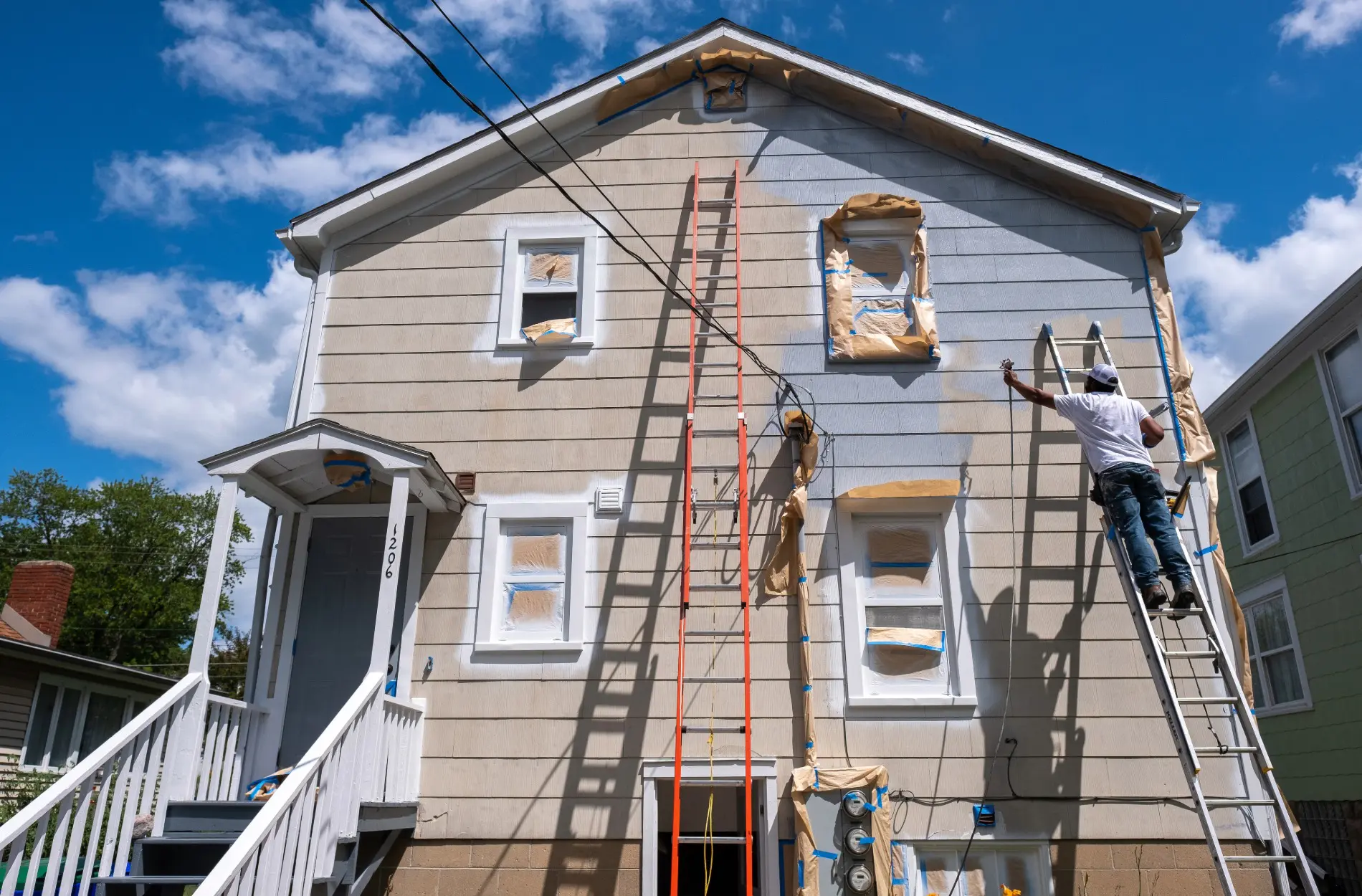
A full exterior paint job on a house is $3,000 to $12,000 through a professional painting company, $800 to $2,000 in DIY costs for paint cans, brush sets, roller covers, tape, and primer from a store. The price gap looks good for DIY on paper, but mistakes, uneven coat coverage, and premature repaint cycles add real cost to the DIY account over time. Professional painting rates include surface prep, primer, crack repair, sanding, and skilled labor, all built into the quoted job price.
“Research into consumer home improvement projects shows that a staggering 58% of DIYers end up spending significantly more than they budgeted for, often due to purchasing the wrong materials or having to hire a professional to correct their mistakes.”
– Hippo Insurance DIY Home Improvement Survey
Cheap paint cans from a store may fit the budget short-term, but low-quality paint fades faster and needs a repaint sooner than premium products applied by a licensed painter. Cheap products also increase the chance of needing a second coat or extra coats to cover dark walls, adding to the actual price of the DIY job beyond the initial estimate. High-traffic surfaces test the durability of cheap, thinly applied DIY coats against professional-grade paint performance directly.
There is absolutely no substitute for a seasoned professional; trying to save a few dollars by doing an exterior or complex interior job yourself will usually cost you twice as much in repairs, repaints, and wasted time.
Time Comparison
A DIY room paint job takes 8 to 16 hours for beginners, 2 to 4 weeks for the average homeowner, balancing the paint process against daily life. Professional crews complete the same room in 3 to 6 hours, with practiced brush and roller techniques, efficient tape application, and streamlined floor protection. The time difference grows exponentially across multi-room paint jobs.
The Hidden Time Cost of DIY
4x More time spent by beginners compared to pros on the same room
3-4 Weekends lost to a multi-room DIY project
(Why professional painters are incredibly time-efficient compared to DIY)
A full interior job across multiple rooms is 2 to 4 weeks for the DIY process, 3 to 7 days for professional painting crews, depending on coat count, surface prep requirements on walls, and the number of rooms, ceilings, and windows. Each additional coat, sand cycle, and primer layer adds time to the DIY process that professionals factor in from day one.
DIY painters watch YouTube videos and browse posts for tips, pulling tricks mid-process in ways that add time to the process unpredictably across a week or more. Professional painters have their techniques and surface test protocols from hundreds of completed jobs, apply tape, primer, and brush work at a pace no DIY video shows. The real price of DIY time is measured in weeks of stress, sore arms from rolling, and the physical demand of brushing and sanding across full rooms and ceilings.
Surprising fact: The average beginner takes 10 to 30 hours to properly prep and paint a single room, swallowing an entire weekend for what a professional team routinely handles in just 3 to 4 hours.
Quality and Finish Comparison: The perfect Coat
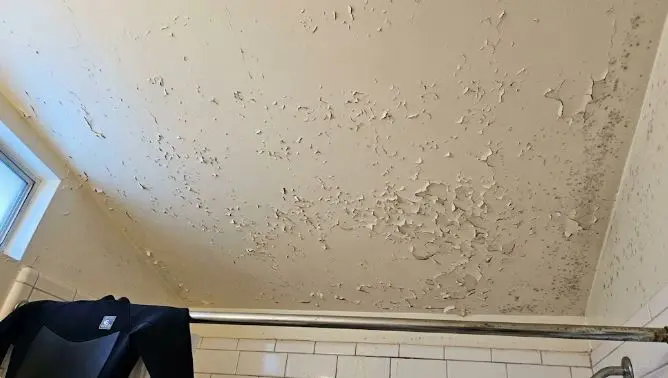
Professional painting produces a more consistent coat across walls, ceilings, and trim because trained painters test surfaces, seal cracks, and apply the right primer before a single brush stroke of color hits the canvas of your walls. DIY painters often skip surface prep steps like sanding, filling cracks, and choosing the right primer for the paint type and color depth involved. Every step skipped shows up in the finished coat quality and color consistency. High-quality paint with good durability and low VOC content ensures a long-lasting finish.
DIY vs Pro: Outcome Comparison
Typical DIY Job
- Visible roller marks and streaks
- Paint bleeding under tape lines
- Uneven coverage over patching holes
- Drips on baseboards or flooring
Professional Job
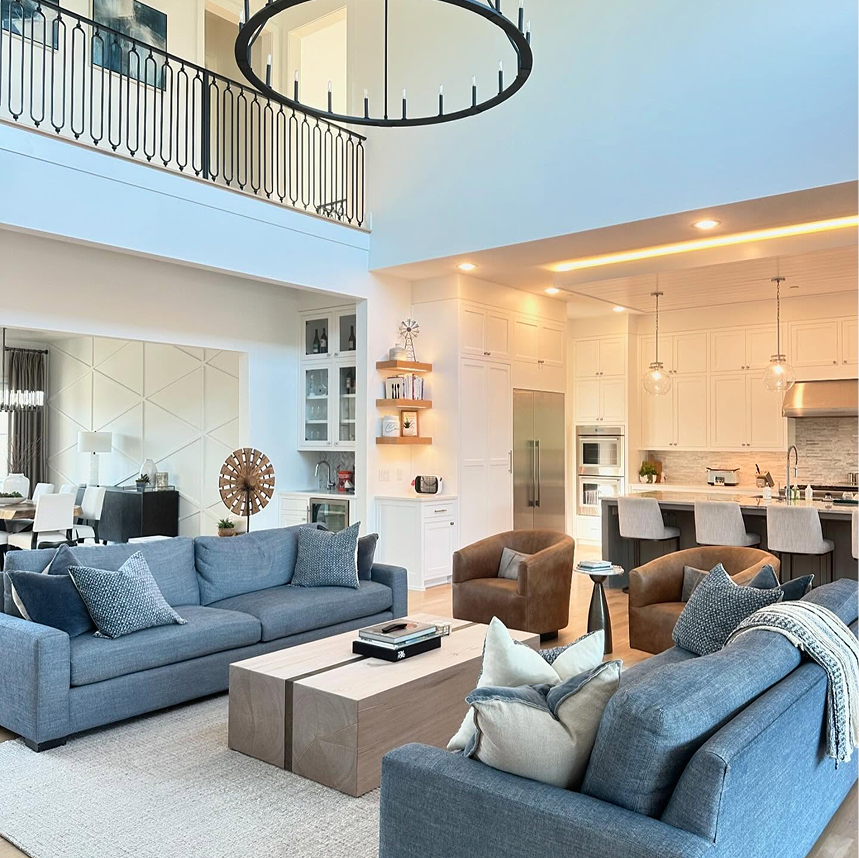
- Flawless, level finish without shadows
- Razor-sharp edges on trim and ceiling
- Invisible crack and drywall repairs
- Zero mess or debris left behind
(What you should expect when hiring an experienced professional over doing it yourself)
Dark color changes on walls require a second coat or more, and managing mixed paint cans across multiple coats to maintain color consistency is a technical skill DIY painters test every time they pick up a fresh roller. A paint stick in each of the cans before each coat prevents color drift, a step many first-time DIY painters forget to do between sessions in the same room. The canvas of your walls records every inconsistency in brush pressure and coat thickness in ways only natural light reveals after paint dries. Canvas drop cloths should be used instead of plastic to avoid a slippery mess.
Skill and Expertise Required From a Professional Painter
DIY painting requires practical knowledge of surface prep, primer selection, brush and roller technique, tape application near trim and windows, and coat sequencing to get clean results on walls and ceilings. Beginners watch YouTube videos, browse store tutorials, and read posts to get basic knowledge before starting a DIY paint job in one room. The lesson between watching videos and applying a professional-looking coat on real walls is measured in mistakes, spills, and repaint cycles.
Most importantly, professional painters have licensing, code knowledge, and product expertise from hundreds of jobs — far beyond what DIY YouTube videos and store guidance provide on any real site. Code requirements for commercial paint jobs demand that site-specific knowledge be accounted for by licensed contractors in every project. A licensed painter has insurance, code training, and a portfolio of completed jobs, no DIY brush experience on a few rooms can match.
Quick Tip
If you must DIY, invest in a high-grade angled sash brush and practice “cutting in” (painting the edges) without tape; standard painter’s tape often fails and bleeds if not perfectly burnished to the wall.
Using Paint By Numbers
Paint by numbers is a creative and relaxing activity that’s easy to get started with, whether you’re a complete beginner or just looking for a calming hobby. Painting by Numbers is a system in which an image is divided into shapes, each bearing a number corresponding to a specific color, so completing a picture is as simple as following the code on the canvas.
While it is sometimes dismissed as simplistic, it’s actually a useful way to understand that a painting is made up of different shades and shapes of color. The positive effects of paint-by-numbers include increased attention span, improved tolerance and patience, and reduced anxiety and stress. You can order paint-by-numbers pictures directly online, and the kits typically include everything you need: a canvas, brushes, and acrylic paint.
The paint is a super-thick acrylic that doesn’t splatter or run, can be diluted with water, and is harmless to the skin, though it should not be swallowed in large quantities. If you’re wondering where to buy a kit, DIY Art Club offers complete sets from €19.95 with free delivery.
“At Custom Painting Inc., our mission is clear: we want to save our clients the headache of DIY mistakes by providing flawless, long-lasting art to their walls the first time, every time.”
Your Painting Options
DIY painting and professional painting each have their place in the art of home improvement, and the regular price of each is reflected in the finished walls, ceilings, and trim left behind. DIY paint jobs are for smaller, low-traffic rooms on a tight budget with minimal color transitions and manageable prep, tape, primer, and coat demands. Larger jobs: multiple rooms, dark color changes, exterior walls, or sites requiring code compliance. Test the limits of DIY skill and time in real, measurable ways.
Custom Painting & Decorating Inc., owned by Cesar Munoz in Orange County since 2018, brings the professional painting standard to every room, wall, and ceiling. With a 2-year workmanship warranty, BBB A+ rating, 24-hour call return, and 48-hour scheduling, the customer-first team brings real art, code-compliant knowledge, and premium paint to every residential and commercial job in Southern California. Visit custompainting-inc.com or call 949-775-2487 to get a free estimate today.