Choosing a painting company versus a solo painter sounds like a simple fork in the road. Then the questions start. Who shows up on day two? Who fixes a surprise drywall issue? Who is insured if something goes sideways?
In Orange County homes, those details matter as much as the color on the wall. Custom Painting & Decorating hears this comparison all the time, especially from homeowners who want a smooth process and a finish that lasts.
Here is a clear, real-world look at both options, with the pros, the cons, and the “what to ask next” checklist.
Painting Company vs Solo Painter: What Is Really Being Compared?
This decision is not just “team vs one person.” It is really about systems, risk, and consistency. Consumer guidance often stresses written details, verifying credentials, and watching for scam red flags, because those steps protect homeowners no matter who gets hired.
In California, licensing is a major part of that safety net, and CSLB provides a public tool to verify a contractor’s license status before signing a contract.
A bigger company may bring office support, scheduling structure, and a bench of painters to keep momentum. A solo painter may bring flexibility and a more personal rhythm. The “best” choice depends on the size of the project and the level of risk a homeowner is willing to carry.
When a Painting Company Is the Better Fit for Most Homes
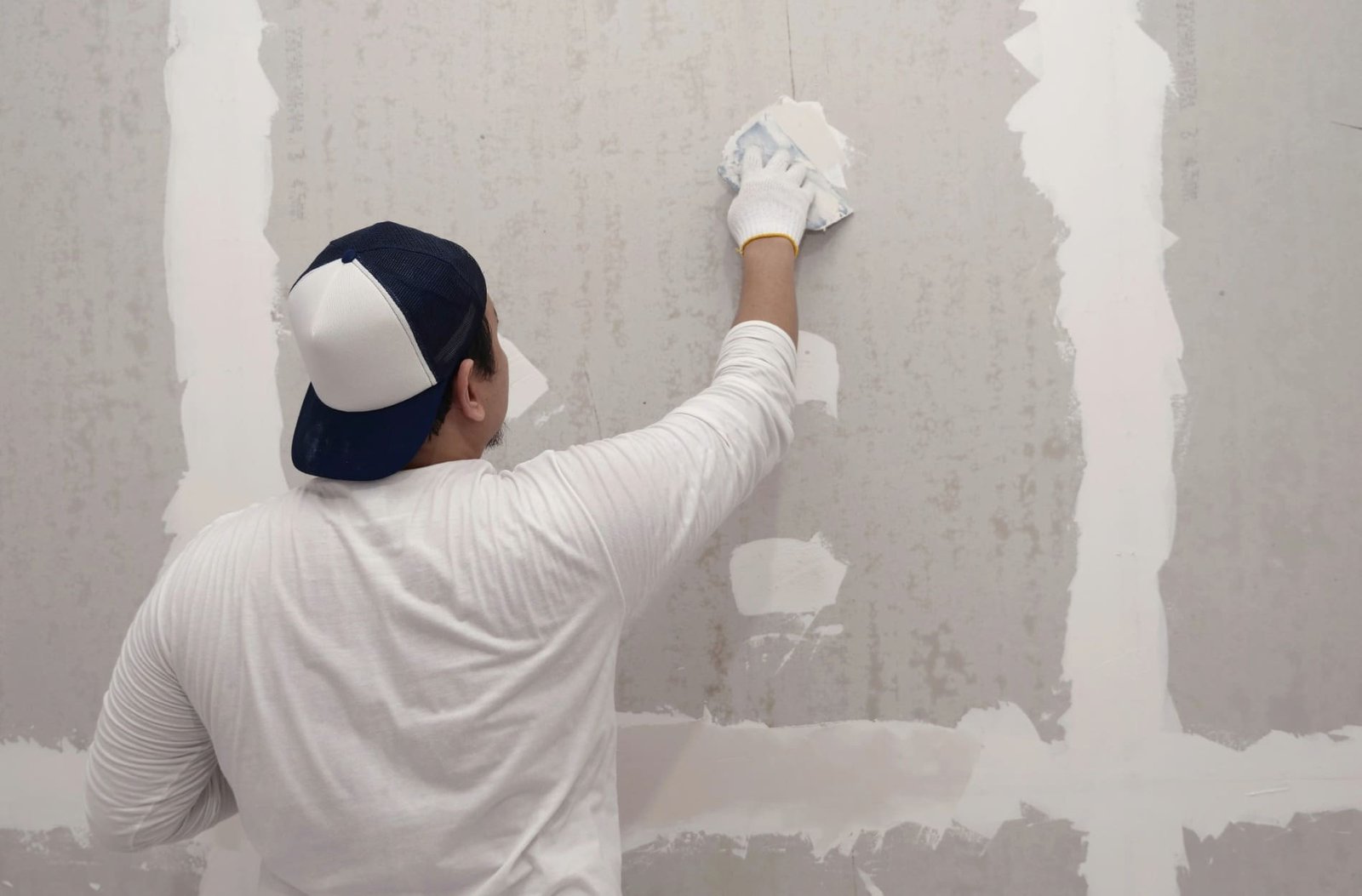
A painting company often makes the most sense when the job is bigger than one room and one weekend. Think whole interiors, exteriors, cabinets, drywall repairs, or projects with tight timing.
The BBB notes that hiring a professional painter can save time and money in the long run, but also reminds homeowners that quality and customer service are not guaranteed, which is why vetting matters.
In California, risk management is not a small thing. Employers, including in construction, must carry workers’ compensation insurance even with one employee, and that is a key protection when crews are on-site.
Custom Painting & Decorating Inc. positions its work around professional systems, licensed and insured operations, and a warranty-backed finish in Orange County. Here is how:
- More scheduling reliability, since multiple crew members can keep work moving if someone is out.
- Better risk coverage when the contractor is properly licensed and insured, which CSLB and consumer guides encourage verifying.
- Clearer paperwork, since written estimates and scopes are widely recommended to avoid surprises.
- Stronger accountability when warranties are offered in writing, like Custom Painting & Decorating Inc.’s 2-year workmanship warranty.
- Easier “one-stop” upgrades when painting connects to drywall and trim work, which this company lists among its core services.
Where a Solo Painter Can Be a Smart Choice
A solo painter can be a great fit for small, straightforward work. One bedroom, a small office, or a single accent wall can sometimes be handled efficiently by one skilled person. Some homeowners even consider DIY painting for tiny projects, but the BBB points out that pros bring tools, skills, and safety equipment that many households do not keep on hand.
The biggest advantage of solo work is often flexibility, because one person can adjust timing quickly and keep communication simple. The tradeoff is bandwidth. If that one person gets sick, double-booked, or hits a surprise repair issue, the schedule can stall.
That is why even with solo work, the same best practices still apply: written scope, license checks when required, and a clear plan for prep and cleanup.
Five Ways to Vet Either Option Like a Pro
Whether hiring a painting company or a solo painter, the smartest move is to vet the same fundamentals. Forbes Home recommends getting multiple estimates in writing and checking references so homeowners can compare scope and professionalism.
Consider steps like paying in installments, keeping records of payments, and getting a written contract that lists tasks, timeline, and payment terms. CSLB’s license lookup is also designed for this stage, since it lets homeowners verify license status before signing.
And in California, contractors cannot legally demand big upfront payments beyond the down payment limit, which CSLB repeats in its guidance and bulletins. Here are five questions that keep the decision grounded in facts, not vibes.
- What prep is included, such as patching, sanding, caulking, and priming, and is it written into the estimate?
- Are license status and complaint disclosures verified using CSLB’s “Check A License” tool before work begins?
- Can proof of insurance be provided, including workers’ comp where applicable, since CSLB explains employers must carry it even with one employee?
- What is the payment schedule, and does it follow California’s limit of a $1,000 or 10% maximum down payment?
- What is the warranty or workmanship promise, and is it stated in writing?
Cost: Why “Cheaper” Often Means “Missing Something”
It is normal to compare quotes and hope one is magically lower. But consumer guidance warns that a quote far below the rest is not automatically a deal, because it may leave out prep, protection, or even key materials.
This is where written scope matters, and the PCA Industry Standards exist largely to reduce misunderstandings and disputes by clarifying expectations in painting work. If the bid does not say how many coats, what prep level, and what surfaces are included, it is not really a quote. It is a guess on paper.
Get at least three estimates from painting contractors so homeowners can compare true scope, not just totals. A reputable contractor should be comfortable explaining why a price is what it is, including labor, prep time, and material choices.
Risk and Liability: The Part Homeowners Rarely Think About
Here is the unglamorous truth: ladders and tools create real risk. A licensed business structure often comes with clearer coverage. Workers’ compensation insurance provides benefits for workers injured on the job, and California law requires employers to carry it, even with only one employee.
Some homeowner guidance also highlights why certificates of insurance matter, since medical bills or property damage can become a nightmare when coverage is missing or unclear.
This is also why the FTC emphasizes avoiding scam behavior and pushing for clear terms and trustworthy contractors before work begins. The goal is not to assume the worst. The goal is to choose a setup where the homeowner does not end up holding the bag.
Orange County Reality: Speed, Follow-Through, and Finish Quality
In Orange County, timing matters. Homeowners have busy schedules, commercial properties have operating hours, and weather windows can affect exteriors. Custom Painting & Decorating Inc. lists service across many Orange County cities.
Most requests receive a callback within 24 to 48 hours, with nearby areas often scheduled within a few days. We are family-owned and operated, fully licensed and insured, and backed by a two-year painting workmanship warranty.
A solo painter may still be excellent, but larger jobs often go smoother when the crew size matches the scope. And when homeowners want painting plus drywall repair, cabinets, or trim work, a team that offers those services under one roof can reduce delays.
The Verdict: Picking the Right Fit Without the Stress
A solo painter can be a great pick for small jobs with low complexity. A painting company is usually the safer bet for whole-home work. Use licensing tools, insist on written scope, and follow consumer scam guidance, because those steps protect homeowners in any scenario.
For Orange County homeowners who want a clear process, a professional crew, and warranty-backed workmanship, Custom Painting & Decorating Inc. is built for that lane.
The best outcome is not just a pretty wall. It is a project that finishes on time, feels safe, and looks great in real light on a real Tuesday.
Ready to compare options the smart way? Start with a written estimate, verify credentials, and choose the partner that fits the job size and the household’s comfort level.