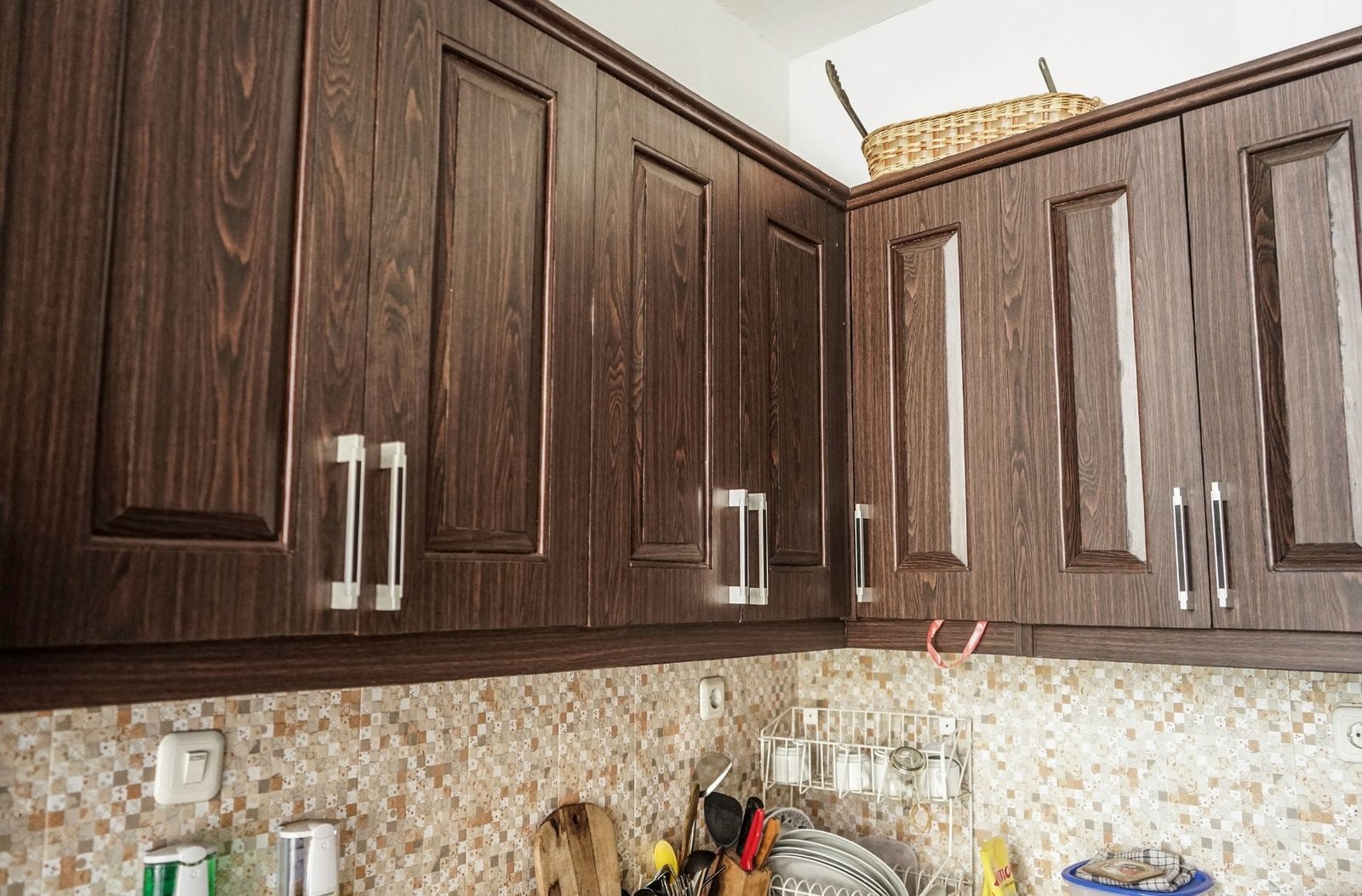
Kitchen cabinets do a lot of heavy lifting. Between storing dishes, hiding away snacks, and anchoring the overall design of your space, they play a major role in how a kitchen looks and works. But over time, their glossy finish can start to fade or look dull. One day they shine, and the next, they seem to lose that fresh look no matter how often you wipe them down.
This kind of change isn’t random. There are a few common reasons cabinets lose their shine—some you can spot easily and some that sneak up over the years. Knowing what’s at play can help you understand why your cabinets no longer look the way they used to and what you can do to bring them back to life, especially if you’re in a place like Anaheim where the summer sun and kitchen humidity can impact finishes faster than you think.
Natural Wear And Tear
We use our kitchen cabinets every day. Think about how often you open a cabinet for a glass or close a drawer after grabbing a spoon. That constant use might not seem like a big deal at first, but over time it adds up. Each time the door swings open or a drawer shuts, it causes a bit of friction on the surface. Eventually, this leads to small scratches, dull areas, or even fine chips along the edges.
In homes where the kitchen gets a lot of activity, maybe the kids are grabbing snacks all day or someone loves to cook, the cabinets go through even more stress. The finish on the cabinet doors and drawers starts to wear down, especially around the handles and corners where hands naturally go the most. These areas can lose their luster quicker than spots that are hardly touched.
You may also notice that dark finishes tend to show scuffs more clearly, while lighter finishes disguise wear better but can still fade with time. Either way, this everyday wear isn’t something most people think about until they see their cabinets looking flat or lifeless and wonder what changed.
Environmental Factors That Fade The Finish
The inside of a kitchen can be a tough spot for any kind of surface, and that includes cabinets. Temperature swings, steam from cooking, and the change between summer heat and air-conditioned rooms all put stress on cabinet finishes. If your kitchen doesn’t have the best ventilation, those changes can happen more often, especially in warmer places like Anaheim.
Humidity is a big factor too. Kitchens often trap more moisture than other parts of the home, and if you’re boiling water, roasting something in the oven, or simply running the dishwasher regularly, you’re adding extra heat and wet air to the room. Cabinet finishes can react to all this by swelling, flaking, or losing their gloss over time.
Add in direct sunlight, and you’ve got another problem. Cabinets near windows or under skylights are exposed to UV rays every day. That light causes finishes to fade unevenly. Even if your cabinets were once the same color throughout, you might start to see lighter or yellower spots on the areas that catch the most sun.
Cooking fumes also play a part. Grease, smoke, and residue from oils can slowly build up on your cabinets. It might not feel greasy, but over the long run, this film can dull the surface and make it harder for light to reflect, which causes that faded, flat look.
With these kinds of conditions happening regularly, even tough finishes eventually break down. It’s not that the cabinets weren’t built well, it’s just that kitchens are high-impact zones.
Finish And Material Quality Make A Big Difference
Not all cabinets are made with the same kind of finish or materials. Some are built with real wood and sealed with strong protective coats, while others use lighter materials with thin factory finishes that aren’t built for long-term wear. The type of finish your cabinets started with plays a big role in how quickly they lose their shine.
Cheaper finishes tend to degrade faster. They can start peeling or clouding even under regular use. On the other hand, high-quality lacquers or polyurethane coatings tend to last longer, but they still aren’t indestructible. Even the best finishes can slowly break down with heat, moisture, and age.
You also have to consider how the finish was applied. Spray-on finishes from large manufacturers may look smooth at first, but sometimes they don’t bond as well as a carefully applied coating by hand. Over time, that weak bond means the outer layer will start separating, which makes cabinets look older than they really are.
Here’s a quick breakdown of what tends to last longer and what usually fades faster:
- Solid wood cabinets with professional-grade finishes: longer-lasting but can still fade
- Laminate or thermofoil cabinets: more prone to peeling or dulling under heat
- Prefabricated cabinets with thin coatings: short lifespan, especially in busy kitchens
Understanding the starting quality of your cabinets can help explain why they’re aging the way they are. If you’ve noticed changes, their original construction might be part of the reason.
Cleaning And Maintenance Practices That Break Down The Shine
Many people try to keep their cabinets looking clean by wiping them down often. While that’s a good habit overall, the type of products and tools used can affect the look more than you might think. Harsh sprays with strong chemicals or degreasers can strip off protective finishes over time, even if your cabinets don’t look damaged in the moment.
Abrasive sponges or scrub brushes do more harm than good. They leave behind tiny scratches that dull the surface. Over the years, all those small scuffs add up, leaving your cabinets looking faded, especially around frequently touched areas like door handles and drawer fronts.
To keep your cabinet finish in better shape, it helps to follow a few basic best practices:
- Use a soft microfiber cloth for regular cleaning
- Stick to mild soap and warm water when wiping them down
- Dry immediately to stop moisture from sitting on the surface
- Avoid ammonia-based cleaners, strong bleach, or anything gritty
- Clean cooking residue quickly before it builds up
Even regular maintenance, when done incorrectly, can have the opposite effect. A good example is someone in Anaheim who spent a summer doing a full deep clean, using a popular degreaser on their cabinets weekly. By fall, they noticed the finish around the stove and sink had started turning cloudy. What they thought was doing good actually wore down the topcoat from repeated applications.
Simple, gentle care goes a long way. By focusing on the right kind of upkeep, cabinets are more likely to keep their shine longer instead of fading out before their time.
When It’s Time To Get Cabinets Refinished
Even with great care, there comes a point when cleaning isn’t enough and the dullness just won’t go away. This is usually when the finish begins to wear thin, peel, or develop cloudy patches that don’t clear up. If your cabinets still look tired after deep cleaning and routine maintenance, that’s a strong sign they’ve crossed into refinish territory.
Here are other things to look out for:
- Areas where the finish is chipped or flaking
- Discoloration that won’t even out or match the rest
- Wood peeking through previously sealed layers
- Surfaces that feel rough or sticky even when clean
Professionally refinishing cabinets gives them a second life. The difference between a refinishing job and a quick paint touch-up is the method and prep involved. Refinishing often includes sanding away the worn layers, repairing damage, and applying a fresh, durable coating that bonds correctly to the surface. For homeowners in Anaheim, this is especially helpful since the heat and humidity in the kitchen can continue to wear down finishes fast.
When done right, refinishing adds years of life to existing cabinets and brings back their original shine or even improves on it. Rather than replacing your entire kitchen setup, which can be expensive and disruptive, this option allows you to keep the structure while giving your space a whole new look.
Keeping Your Cabinets Looking Like New
Once your cabinets have been refinished, simple habits can help keep them looking their best for longer. Whether your kitchen sees light use or is the heart of daily family meals, a few small changes can keep that shine going.
- Wipe up spills quickly so they don’t soak into any cracks or seams
- Reduce direct sunlight on cabinets by using blinds or curtains when needed
- Keep up with regular dusting to prevent grit from scratching the finish
- Avoid hanging damp dish towels over cabinet doors
It’s always smart to pay a little more attention to the areas near the stove, sink, and dishwasher. These spots often wear down first due to moisture, grease, and temperature shifts. Staying on top of that can keep the whole kitchen looking fresh even as the years go by.
If your cabinets are already showing signs of wear, don’t write them off. In many cases, refinishing makes them as good as new. For Anaheim homes where seasonal heat and indoor moisture can speed up the aging process, having cabinets refinished can make all the difference in how your kitchen feels and functions. Whether you’re keeping up with regular cleaning or noticing bigger signs of damage, understanding what’s causing the change is the first step to fixing it.
If you’re thinking about having your cabinets refinished to restore their original shine and improve the look of your kitchen, Custom Painting & Decorating, Inc. is ready to help. Our team knows how Anaheim’s climate can impact cabinet finishes over time. Learn more about how our cabinets refinished services can bring lasting beauty back to your kitchen.