Freshly refinished cabinetry instantly elevates an entire room. Learning exactly how to maintain painted cabinets keeps those surfaces looking pristine years past the initial project. Proper maintenance relies entirely on gentle cleaning habits, proactive moisture control, and utilizing the correct protective hardware.
Protecting the Delicate Finish on Painted Cabinets
Environmental factors frequently compromise pristine woodwork. Constant exposure to intense sunlight, extreme temperature changes, and elevated humidity causes paint fading and micro-cracking across painted cabinets. Protecting the surface starts directly at the source.
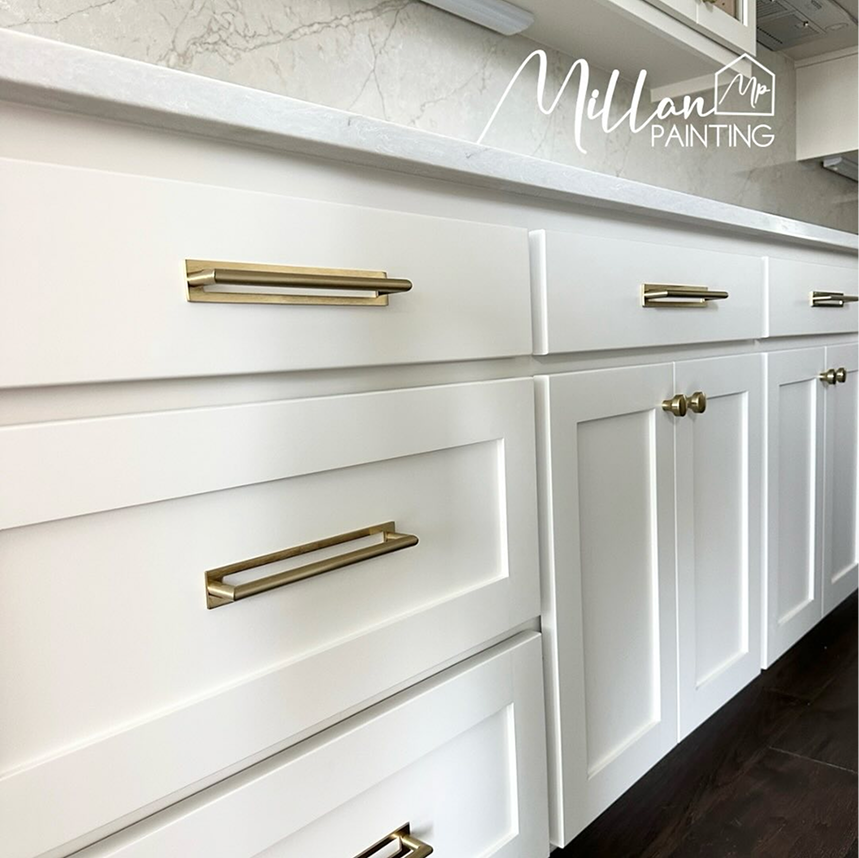
Constant physical contact damages the top layer rapidly. Installing sturdy handles and knobs keeps dirty fingers away from the delicate paint. Natural skin oils degrade the finish rapidly upon direct contact. Placing felt or rubber bumpers inside doors and drawers reduces the impact forces generated from slamming, preventing hard chips near the corners.
“Sealing painted furniture and woodwork with a clear topcoat, like polyurethane or wax, adds durability and protects against scratches and moisture. Water-based sealers or topcoats are a great option for most painted woodwork projects — when applied, they add a layer of protection without altering the color of the paint, and are less toxic with easier cleanup compared to oil-based counterparts. However, clear topcoats should NOT be applied over white or light-colored painted surfaces, as yellowing may occur due to a reaction with the substrate. Paints that always require a topcoat include chalk paint, milk paint, and latex wall paints used on high-traffic surfaces.”
— Harris Brushes (Painting Wood Furniture and Interior Woodwork — Professional Guide)
Daily Habits to Protect Painted Kitchen Cabinets
Water destroys custom finishes faster than almost any other element. Learning how to maintain spray-painted kitchen cabinet doors requires strict moisture management. Never hang damp dish towels directly over the doors; trapped moisture seeps straight through the protective layers, causing severe swelling and paint bubbling.
Wiping up food splatters, boiling water spots, and hot grease the very moment they hit the surface prevents permanent staining. Moisture damage happens fastest near the sink, the dishwasher, and the main stove area. Immediate action stops the damage entirely.
Shielding Your Kitchen Cabinets From Heat and Steam
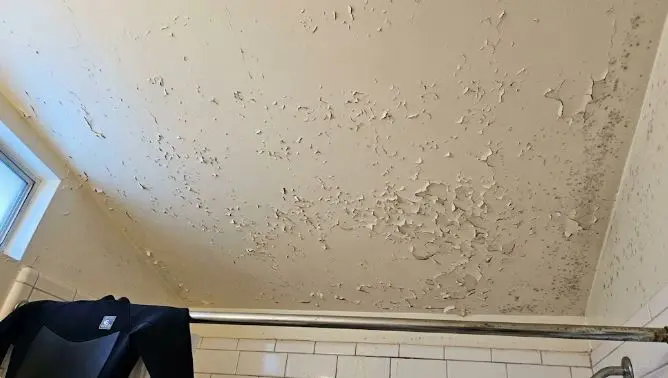
Steam generated during cooking introduces intense humidity directly into the surrounding airspace. Unchecked humidity leads directly to severe wood warping and permanent paint failure across high-end kitchen cabinets. Consistently running the overhead range hood during meal prep vents steam outdoors, keeping the room atmosphere dry and stable.
Performing seasonal inspections helps catch minor issues early. Homeowners thoroughly checking the high-traffic zones – especially near the trash pull-out and the dishwasher – spot tiny chips early. Addressing minor scratches immediately stops the flaw from spreading into a massive peeling disaster.
The Exact Method to Clean Painted Cabinets Safely
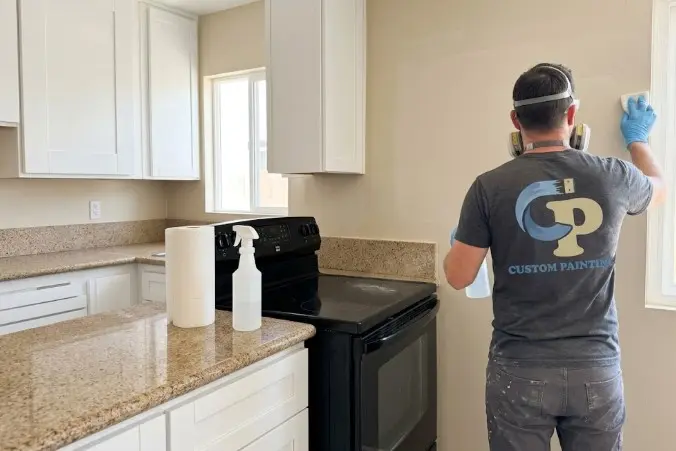
Routine upkeep requires the correct tools. The safest way to clean painted cabinets involves utilizing a soft microfiber cloth slightly dampened in warm water. A soaking wet rag pushes excess water straight into the wooden joints. Wringing the cloth out completely leaves just enough moisture to lift surface dust safely.
Wiping the cabinets at least every week or two stops grease and heavy grime from accumulating. Waiting months between cleanings allows cooking oils to bond permanently to the finish, forcing a much harsher cleaning process later.
Mix the Solution: Combine warm water and a tiny drop of dish soap inside a small bowl.
Dampen the Cloth: Dip a soft microfiber cloth into the liquid, wringing out all excess moisture.
Wipe Gently: Clean the surface using light pressure to lift fingerprints and dust.
Dry Instantly: Follow up immediately using a separate, completely dry microfiber cloth.
(Consistency matters vastly more than scrubbing power)
Using Mild Soap and Water for Weekly Upkeep
Removing light grease and smudges requires nothing stronger than a mild soap mixture. A gentle solution of warm water mixed into basic dish soap provides exactly enough cutting power to dissolve weekly grime.
Tackling stubborn grease requires slightly more power. A diluted 10:1 water-to-vinegar solution works beautifully for targeted spot cleaning. Excessive vinegar use erodes the clear coat over time, forcing homeowners to limit the method strictly to the toughest spots. For severe food stains, creating a thick paste from baking soda and water lifts the discoloration safely.
Banning Abrasive Scrubbers and Harsh Chemicals
Scrubbing hard destroys custom woodwork. Utilizing abrasive scrubbers, steel wool, or heavy scouring pads scratches the clear coat instantly, leaving permanent visible swirl marks across the doors. Harsh chemical cleaners containing bleach or ammonia strip the paint entirely, leading straight to massive discoloration and severe cracking.
Magic erasers seem harmless, yet they act exactly like ultra-fine sandpaper. Using melamine sponges dulls the finish and removes the protective gloss. Gentle, non-acidic degreasers paired alongside a soft cloth remain the only acceptable method for handling extreme buildup.
Approved Items
- Soft microfiber cloths
- Warm water
- Basic dish soap
- Diluted white vinegar (spot cleaning only)
- Baking soda paste (tough stains)
Banned Items
- Steel wool and stiff brushes
- Bleach and ammonia
- Magic Erasers / Melamine sponges
- Powdered scouring cleansers
- Heavy acidic solutions
(Protecting the factory finish means keeping harsh chemicals entirely out of the room)
Proven Strategies for a Long-Lasting Factory Finish
Creating a long-lasting aesthetic means establishing a firm maintenance routine, prioritizing gentle care and immediate moisture removal. Mastering exactly how to maintain painted cabinet doors in high-moisture bathrooms mirrors the exact procedures utilized in the cooking space. Keep the bathroom exhaust fan running long past the shower ending to clear humidity entirely.
Homeowners seeking a complete room transformation frequently hire a professional painting crew to deliver a flawless, factory-grade finish. Once the professionals complete the job, the responsibility shifts toward daily upkeep. Simple habits, soft cloths, and rapid spill response keep the cabinetry looking incredible year-round. For expert advice on updating a home’s interior, contacting a trusted residential painting specialist provides the perfect starting point.